


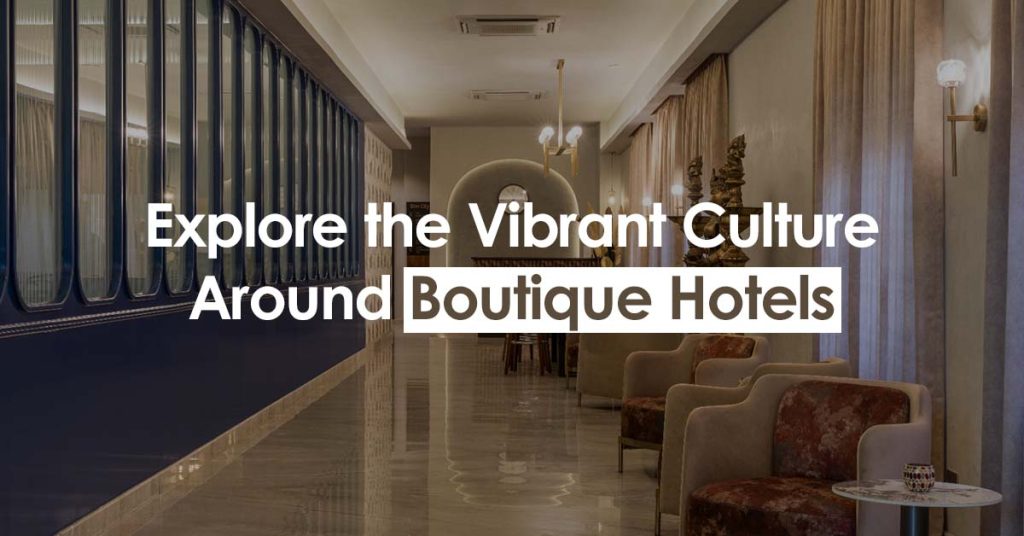
Boutique hotels don’t function like distant commercial properties; they usually settle into the neighbourhood and absorb whatever makes that pocket of the city distinct. In parts of Chennai such as T Nagar, this often means the sound of early street vendors, the steady opening of shops along Usman Road, and a neighbourhood that comes alive well before the day officially begins. Travellers who choose boutique hotels in Chennai aren’t looking for a neutral base. They want a stay that lets them understand how the city behaves from one hour to the next. Food stalls near Pondy Bazaar, small retail lanes branching off Usman Road, and design cues influenced by the neighbourhood’s commercial heritage all begin shaping the experience long before a formal itinerary starts.
Smaller properties often evolve from the neighbourhoods they stand in, so the link between the hotel and its surroundings is usually easy to see. Star city’s boutique hotel draws on materials that reflect the area it sits in, particularly in neighbourhoods like T Nagar, where textiles, jewellery work, and traditional craftsmanship have long shaped the local identity. The environment outside influences the mood inside. Early market activity, festival soundscapes, prayer calls, or the steady movement around craft clusters often set the tone for the day. Instead of following a fixed global style, these hotels lean toward themes that feel natural to the city’s character. A guest stepping out of a hotel in T Nagar doesn’t feel a sharp contrast between the indoor space and the streets outside, where daily life moves at a familiar, lived-in pace. This continuity is at the heart of Boutique hotel culture, where the hotel and its neighbourhood operate as extensions of each other rather than separate worlds.
Food culture around boutique hotels is usually shaped by the people who have lived in the neighbourhood for far longer than the hotel itself. Many lanes have cafés like Tea Villa Cafe run by old family businesses where regulars sit in the same chairs each morning, and the staff know half the customers by name. Close by, bakeries like Old Madras Baking Company fire up their ovens early, and tea stalls pull steady crowds before the city fully wakes. Breakfast counters near Pondy Bazaar and adjoining streets serve familiar South Indian dishes without adapting them for visitors, often following recipes that have remained unchanged for decades. Street vendors add another layer with items travellers won’t see on commercial menus. Guests staying in smaller properties benefit from staff who know which corners are worth exploring and which timings matter. These suggestions lead to meals that reveal how the neighbourhood actually eats, something large restaurant clusters rarely offer because they cater more to volume than identity.
Neighbourhoods like T Nagar draw boutique hotels not through galleries or studios, but through a quieter creative energy rooted in textiles, tailoring, jewellery work, and seasonal retail displays. Many streets hold compact galleries or workshops where visitors can watch the process instead of only seeing the final product on display. Public art also plays a role in murals on old walls, temporary installations, and community events that change from month to month. Properties in such neighbourhoods often rely on local talent for their interiors, partly for authenticity and partly because it keeps the hotel connected to the people shaping the district’s identity. Such partnerships place the hotel within the same artistic network that drives the neighbourhood, making it part of the ongoing work around it instead of a separate, passive presence.
Daily life in older neighbourhoods often unfolds in layers, and guests notice this as soon as they step outside boutique hotels located in these districts. Morning markets set up quickly, vendors arranging vegetables, spices, textiles, or small handmade items in tight rows that regular shoppers move through without hesitation. A few streets away, narrow lanes hold their own ecosystem: independent bookshops, tailors working out of compact rooms, small repair stalls, and stores that locals rely on far more than visitors ever realise. These interactions, brief as they may be, shape a traveller’s sense of the city more strongly than curated attractions or guided tours. Being based in a centrally located boutique hotel in T Nagar makes these everyday interactions easy to access without planning or transport. Guests can walk into these spaces without planning their day around them. The setting makes it easy for guests to move from the hotel into the surrounding activity, a relationship that defines how these properties interact with the community around them.
Neighbourhood festivals and seasonal events tend to reshape the streets around boutique hotels, sometimes subtly and sometimes quite dramatically. Temple fairs, religious ceremonies, weekend bazaars, and local celebrations alter the pace of the area for days at a time. Guests do more than watch these events; they hear the drums and chants, see the colours moving through the lanes, and feel the crowd gathering long before the formal procession arrives. Hotel staff often guide visitors on when to step outside, how to participate respectfully, and which routes remain comfortable during peak activity. These events also shift how the neighbourhood operates. Traffic slows, food stalls appear in new spots, and community gatherings spill into corners that stay quiet on ordinary days. Such occasions bring out details of local life that are easy to miss, and the hotel’s location gives guests the chance to step into that setting without arranging anything in advance.
Many travellers understand a city better when most of their movement happens on foot, which is why a number of boutique hotels prefer neighbourhoods where walking feels natural. Streets in these areas reveal small things that structured tours rarely show quiet courtyards, narrow shaded passages, or stretches of pavement that open suddenly into a market or a waterfront corner. Guests often come across places they never planned to visit: a café with only a few tables, a shop selling handmade objects, or someone performing music in a side lane. These unplanned stops add more context to the district than any scheduled outing. Hotels positioned within walking distance of Pondy Bazaar and Usman Road make this kind of everyday discovery easier, and over time, it has become a familiar element of Boutique hotel culture, where the city is experienced in short, meaningful walks rather than long, curated routes.
Boutique properties offer more than a place to sleep; they give travellers a direct line to the life unfolding around them. Design choices, the food scene nearby, small community events, and the way festivals change the streets all shape how a guest reads the neighbourhood. Walkable pockets create even more opportunities to see how a city behaves outside its tourist areas. Understanding culture is rarely about one landmark; it comes from noticing the everyday rhythm that surrounds the hotel. This is why many travellers choosing Hotels Near Nungambakkam or similar districts prefer boutique stays; each visit feels tied to the identity of the area rather than a generic travel pattern.


Leave a Reply