


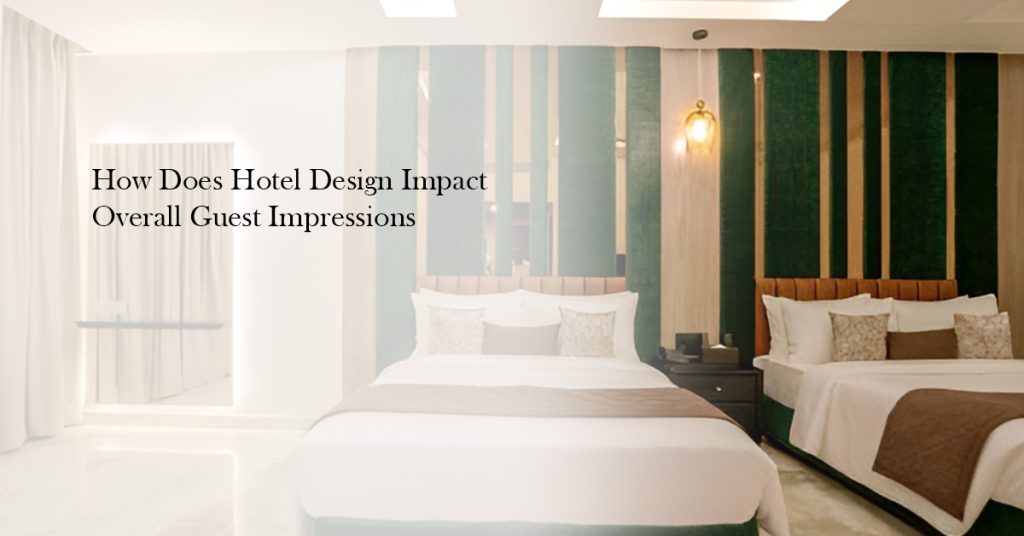
Modern travelers have a visceral reaction to feeling “boxed in.” The architectural layout of a room is often the single biggest driver of guest reviews, far outweighing the thread count of the sheets. When a guest opens the door, they are looking for a sense of psychological breathing room. This is why we are seeing a major industry shift toward suite rooms in Chennai, particularly in high-density areas like T Nagar. A traditional hotel room often feels like a transit point, but a suite with its defined “zones” for sleep, work, and relaxation feels like a residence.
Effective space management is about more than just square footage; it’s about “zoning.” Even in a compact studio, clever design can separate the desk from the bed, allowing a business traveler to host a quick meeting without feeling like they are inviting a stranger into their bedroom. When a guest can walk around their bed without hitting a wall or has a dedicated lounge area to decompress, the perceived value of the stay doubles. It moves the needle from “temporary shelter” to a curated experience that justifies a premium price.
Modern travelers have a visceral reaction to feeling “cramped.” If the architecture of a room forces a guest to shuffle sideways past a desk to reach the bathroom, the guest experience in hotels is already compromised. This claustrophobia is why we see a decisive shift toward studio rooms and suite apartments. These layouts aren’t just about extra square footage; they are about “zoning.” By intellectually separating the areas meant for work, sleep, and lounging, the design respects the guest’s different modes of being throughout the day.
When the hotel ambience shifts from a singular bedroom to a multi-functional suite, the guest’s perception of value changes. Having a dedicated space to host a visitor or a desk that isn’t jammed against the foot of the bed moves the impression from “temporary shelter” to “personal residence.” It allows a traveler to maintain their dignity and their routine. When a guest can actually move through the space without physical or visual friction, they stop feeling like a transient number and start feeling like an inhabitant. That psychological comfort is the hallmark of effective modern design.
One of the most overlooked elements of design is how a hotel manages light. In a world of jet-lagged travelers, lighting is more than just a fixture; it is a tool for biological recalibration. The hotel ambience should ideally transition with the day, moving from bright, energizing cool tones in the morning to warm, amber hues in the evening. When a hotel ignores this and relies on harsh, static LEDs, it disrupts the guest’s circadian rhythm, leading to poor sleep and a general sense of fatigue that they might not even be able to name.
Ignoring these biological needs is a silent killer of guest satisfaction in hotels. There is nothing more frustrating than a “master switch” hidden behind a nightstand or bedside lamps that fail the basic test of being bright enough to read by. Modern design solves this through intuitive, layered lighting and blackout curtains that guarantee total darkness. When a guest wakes up feeling genuinely restored because the room worked with their sleep cycle instead of against it, they leave with a level of satisfaction that gold-plated decor could never buy.
A hotel restaurant should never feel like a sanitized corporate cafeteria. The physical design of the dining space dictates how much time and money guests are willing to spend on-site. When a hotel leans into boutique hotel amenities by creating an immersive, standalone atmosphere, the restaurant stops being a “convenience” and starts being a “destination.”
Take a specialized space like Pandan Club at Star City Hotel. The space is designed with the same intent as the menu. Materials, colors, and layout echo the character of Modern Peranakan cuisine, so the setting feels connected to what’s on the plate. That separation matters. A restaurant that feels distinct from the guest rooms becomes a destination of its own, not just another hotel amenity. If the transition from the lobby to the bar or dining area is seamless and visually stimulating, it naturally encourages social interaction and attracts a local crowd. This “in-the-know” energy is exactly what modern travelers seek they want to feel like they are staying at the center of the city’s pulse, not tucked away in a sterile outpost.
You can have the most visually stunning room in the world, but if a guest can hear the hum of the elevator or a muffled conversation from the hallway, the design has failed. Sound is a visceral component of hotel ambience; if it isn’t managed, the room feels like a public space rather than a private sanctuary. In a dense, high-energy district like T Nagar, the “silent” design of acoustic isolation is often the most valuable luxury a hotel can provide.
Heavy-duty acoustic materials, double-glazed windows, and staggered doorway layouts are the technical heroes of guest satisfaction in hotels. These elements work in the background to ensure that the urban grind stays outside. The goal is total acoustic autonomy—where a guest feels completely disconnected from the noise of the street and the movements of other residents. Most guests won’t specifically compliment the soundproofing; they’ll simply notice that they feel unusually calm and rested. It is a design success that is felt, not seen, and it is the foundation of a high-quality stay.
A hotel’s design is a living thing, not a static monument. A property that hasn’t seen a paintbrush or a furniture update in a decade sends a loud, unintentional message of stagnation. On the flip side, recent renovations are a powerful signal to the guest that the management is actively invested in their comfort. It’s less about how the space looks in photographs and more about whether the lighting, acoustics, furniture, and technology actually support how guests use the space today.
Integrating features like USB-C ports, smart TVs, and intuitive climate control into the furniture design rather than sticking them on as an afterthought drastically improves guest satisfaction in hotels. A renovated boutique hotel often outranks a legacy five-star property simply because the design feels “current” and intentional. When a space looks and feels fresh, it removes the “ick factor” of aging carpets or peeling fixtures, allowing the guest to relax completely. It proves that the hotel isn’t just resting on its past reputation but is evolving alongside its guests.
Design is never just an expense; it is a functional tool that quietly manages a guest’s mood and behavior from the moment they arrive. While many Hotels Near Pondy Bazaar rely on location alone, the most successful properties use architecture and layout to eliminate the friction of travel. Beautiful design might attract a guest for their first stay, but it is the functional, intuitive design that brings them back forever.
Experience the impact of thoughtful, recently renovated interiors at Star City Hotel, where every detail is built to enhance your stay.


Leave a Reply