


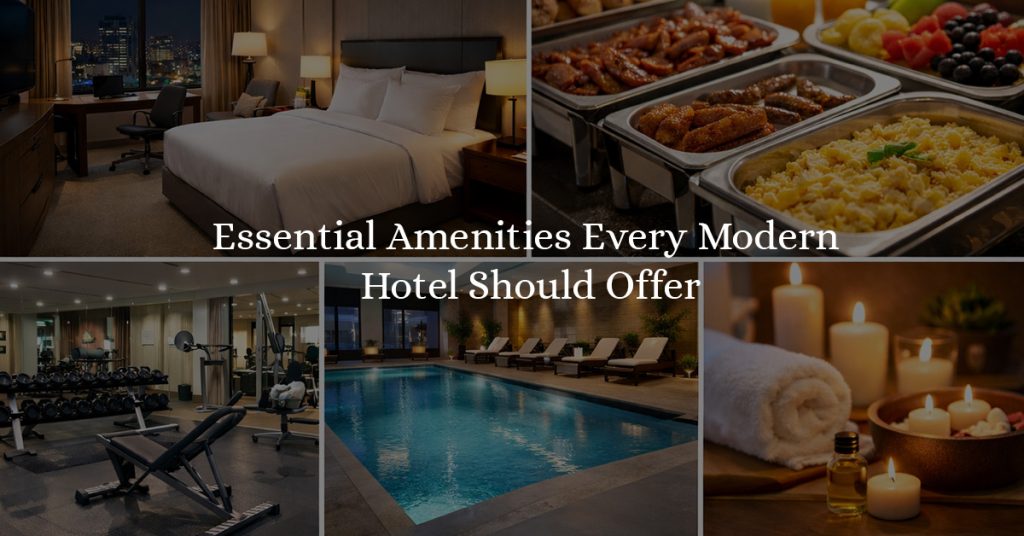
Luxury used to be measured by the weight of the curtains or the shine of the faucets, but that era is dead. Today’s traveler defines luxury through seamless convenience and the removal of friction. A modern guest isn’t just looking for a mattress to crash on; they want a space that anticipates their rhythm, whether they are in town for a high-stakes meeting or a family shopping spree. When looking for Hotels Near T Nagar Chennai, travelers are increasingly bypassing the dated “grand” hotels in favor of boutique spaces that actually understand 2026.
The gap between legacy properties and modern boutique stays is widening fast. If a hotel is still trying to charge for basic Wi-Fi or expects a corporate traveler to work from a cramped, wobbling desk, it is effectively obsolete. In the current market, amenities are no longer “extras” or perks used to sweeten the deal. They are the core product. The quality of the connectivity and the thoughtfulness of the room layout are what justify the room rate, not just the square footage.
In 2026, Wi-Fi sits in the same category as water and electricity. If they’re stuck with slow speeds or a clumsy login screen, frustration sets in before the bags are even unpacked. To meet the standard of modern hotel amenities, properties must invest in Wi-Fi 6 and seamless roaming. A guest should be able to walk from the lobby to the rooftop bar without their video call dropping once. Furthermore, “casting” is the new expectation. Nobody wants to browse local cable; they want to stream their own content from their phone to the room’s smart TV with a single tap.
This connectivity must be paired with physical hotel room amenities that support the “bleisure” traveler. A bed is for sleeping, but a dedicated, ergonomic workspace is for winning contracts. A laptop-friendly desk with a proper chair has replaced the flimsy vanity table. We have also moved past the era of hunting behind nightstands for a plug. In a truly modern room, USB-C ports and universal power outlets at the bedside and desk are non-negotiable. If a guest has to rearrange furniture just to charge their phone, the hotel has failed the most basic test of modern design.
Standard “continental” buffets have become the hallmark of the forgettable hotel experience. Today’s travelers are increasingly tired of the same rubbery eggs and generic pastries; they want a taste of the city they are actually in. This shift has turned the hotel restaurant from a convenience into a major draw. By moving away from “global” menus and leaning into boutique hotel amenities, such as hyper-local or niche culinary partnerships, hotels are transforming into neighborhood landmarks.
In Chennai, this trend is perfectly captured by specialized dining concepts like Pandan Club. As India’s first Modern Peranakan restaurant, it brings the distinct, vibrant flavors of Singapore and Malaysia to the heart of T Nagar. When a hotel offers a curated experience like this, overseen by a Masterchef, it ceases to be just a building with beds. It becomes a destination. These types of modern hotel amenities offer guests a sense of place that a standard room-service club sandwich never could. A strong on-site restaurant does more than serve meals. It reinforces the guest’s decision to stay somewhere that feels considered, distinctive, and rooted in real character.
The traditional 250 sq. ft. box is quickly becoming a pain point for the modern traveler. Whether it’s a family on a shopping holiday or a corporate executive on a two-week assignment, feeling “boxed in” ruins the stay. This is why the industry is shifting toward studio rooms and premium suite apartments as essential modern hotel amenities. Having a defined separation between the sleeping area and a living space changes the psychology of the room; it stops being a place you just endure and starts being a place where you can actually live.
For those frequenting high-traffic hubs like Chennai’s T Nagar, the utility of a suite cannot be overstated. After a day of navigating crowded markets like Pondy Bazaar, the ability to spread out, utilize a kitchenette, or host a quick business catch-up in a private lounge area is a massive deciding factor. These hotel room amenities cater to the growing demand for “space as a luxury.” When a hotel offers a 550 sq. ft. apartment over a cramped standard room, they aren’t just selling more floor space they are selling the ability for the guest to maintain their daily routine without compromise.
In a dense, humid city like Chennai, the real luxury isn’t a gold-trimmed lobby; it’s a patch of open sky. A cramped basement gym doesn’t cut it anymore when guests are looking for a mental reset. This is where boutique hotel amenities like rooftop escapes become a necessity. Take DIP (Drink In Peace) at Star City Hotel it serves as a literal decompression zone high above the T Nagar traffic. It’s a place to shed the stress of a ten-hour workday while looking out over the city lights, providing the kind of quiet clarity you just won’t find on a treadmill.
Modern wellness is as much about headspace as it is about heart rate. Shifting the focus toward these elevated, open-air environments is one of the most effective modern hotel amenities a property can offer. Whether you’re grabbing a quiet drink or just catching a breeze away from the street-level humidity, these spaces allow guests to transition out of “work mode” instantly. It’s about creating a sanctuary that feels miles away from the urban grind, even if you’re right in the heart of it.
While digital keys and automated check-ins are great for speed, relying solely on an app makes a hotel feel like a vending machine. The most effective modern hotel amenities are those that use technology to free up staff for actual hospitality, not replace it. You want the efficiency of a mobile check-in paired with the warmth of a tableside breakfast service. It’s about using data to remember that a guest prefers a specific corner table or a certain type of pillow, rather than making them navigate a sterile touchscreen for every request.
This balance is what defines the best boutique hotel amenities. A high-end property in a shopping hub like T Nagar should have a concierge who knows which silk saree shop has the newest arrivals, something an algorithm can’t replicate. Guests today want the option of a “contactless” stay, but they also want to know there’s a professional nearby who can handle an edge-case request with a human touch. When tech handles the boring logistics, the staff can focus on the guest, which is the only way to build real loyalty in a crowded market.
The most successful properties are those that have recently overhauled their infrastructure to stay ahead of shifting tech and lifestyle trends. While many Hotels Near Mount Road still rely on their legacy reputation, the modern traveler gravitates toward places that actually function in the digital age. Loyalty isn’t built on grand lobbies; it is built on the total absence of frustration during a stay.
Renovations aren’t just cosmetic, they are about integrating the speed and space that current guests demand. If you want to see how these standards translate in real life, choose Star City Hotel for your next stay.


Leave a Reply